Overcoming Logistics Hurdles in Urban Residential Installations
Executing interior design projects in high-density urban environments presents unique logistical challenges. Narrow streets, strict building management rules, limited loading dock availability, and tight elevator windows leave very little margin for delivery errors. A single delayed freight truck can cause missed delivery windows and costly building fines.Centralizing receiving and consolidation off-site is essential for navigating the complexities of urban residential installations.
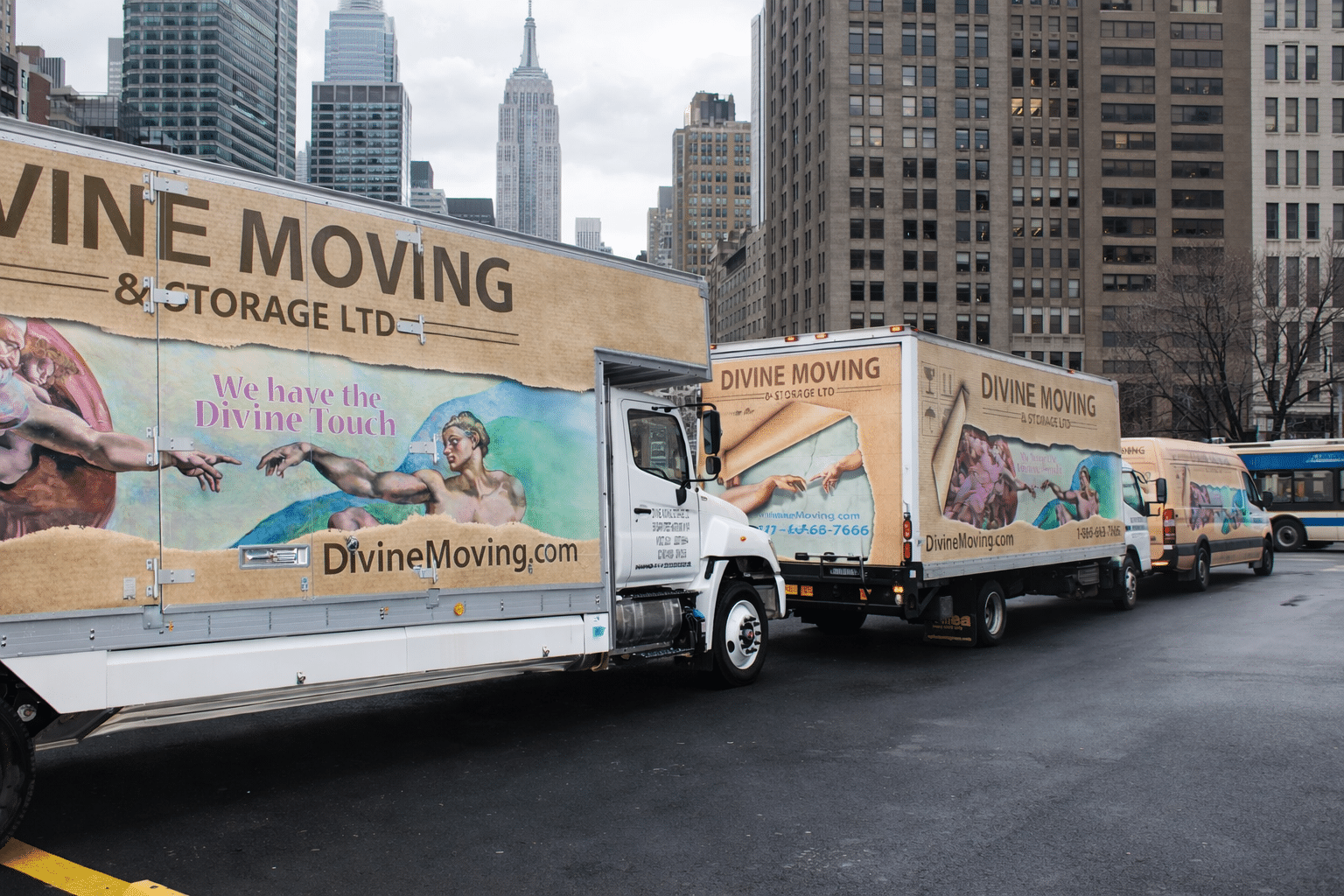
Navigating Building Rules and Tight Delivery Windows
Luxury high-rise apartments and historic townhomes typically impose strict guidelines on incoming deliveries:
- Elevator Reservations: Freight elevators must be reserved weeks in advance for specific 2-to-4-hour windows.
- Certificate of Insurance (COI) Requirements: Building management requires detailed liability coverage before any delivery team steps foot on the property.
- Street Staging Limits: City regulations frequently prohibit staging delivery trucks on busy streets for extended periods.
Relying on specialized furniture receiving allows logistics teams to stage an entire apartment's worth of furniture onto a single truck, ensuring all items arrive precisely within the designated elevator window.
Staging Deliveries from a Nearby Hub
Holding inventory in a secure designers furniture storage facility near the city center gives designers the flexibility to schedule installations at moments of low traffic or during approved building hours, preventing last-minute cancellations.
Conclusion
Urban installations require precision planning and local operational expertise. Consolidating shipments off-site turns tight urban constraints into a manageable, highly efficient installation.